Booming expedition-cruise business grapples with fallout from hantavirus outbreak
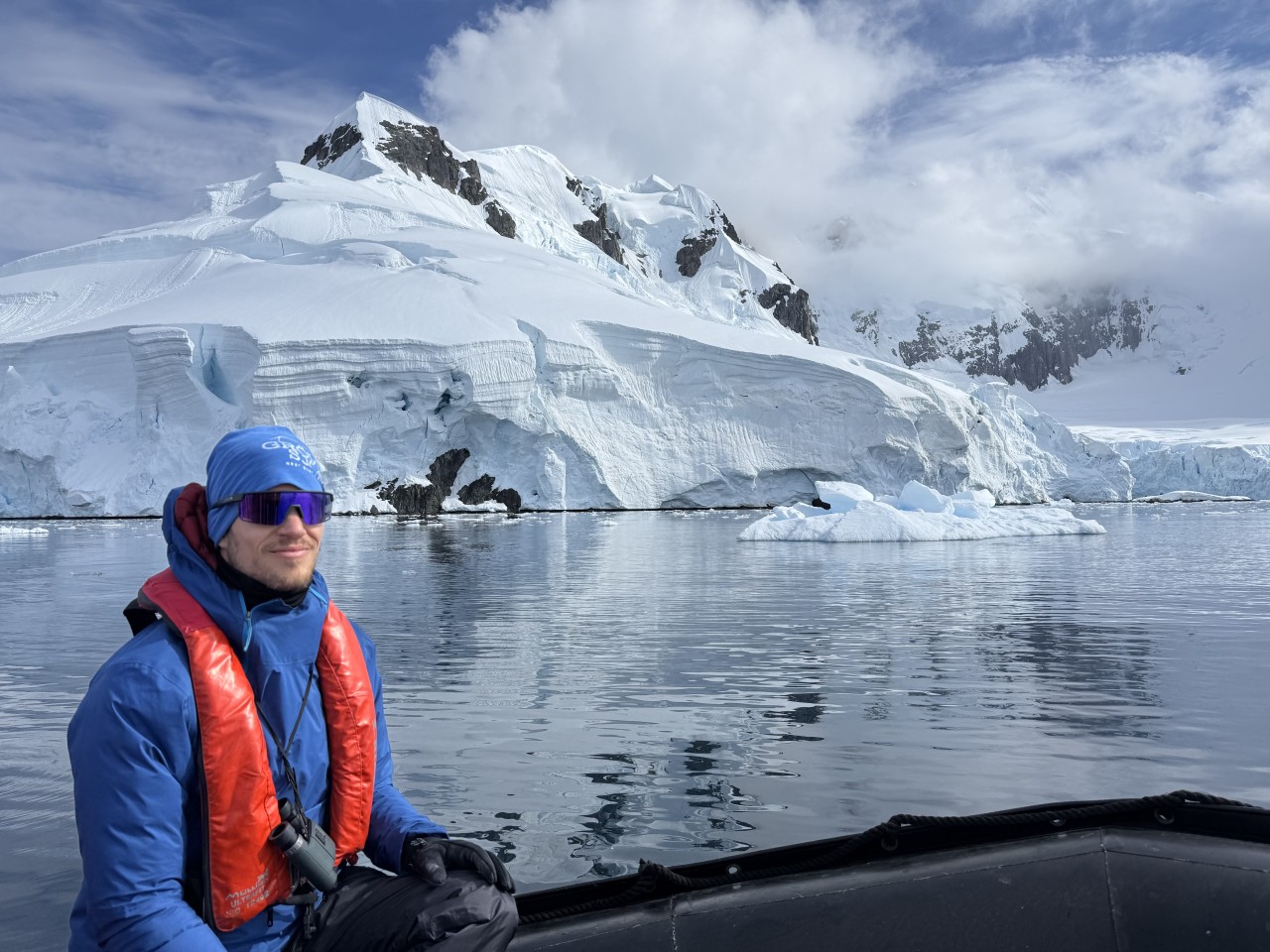
The polar regions fascinated Daniel Liss ever since he was a child.
He would study maps and globes, picturing the people and animals who call the coldest reaches of the Earth home. As an adult, he crisscrossed the Alaskan frontier, lived in Sweden, and visited the Norwegian island town of Longyearbyen, one of the world’s northernmost settlements.
In December, he crossed a big item off his bucket list, sailing on an Antarctic cruise with Oceanwide Expeditions. The experience was life-changing, he said.
“It was easily the best investment I’ve ever made,” he said. “I’ve seen unbelievably stunning, beautiful, moving, life-changing places, but Antarctica was on a different level.”
Oceanwide has courted expedition-seeking passengers like Liss and gained renown for serving a small, yet fast-growing, part of the cruise-line industry. By 2029, the global capacity for expedition cruises is expected to more than double from the decade prior, according to the Cruise Lines International Association.
But Oceanwide is grappling with the fallout from a deadly hantavirus outbreak on a recent voyage that included stops to remote islands in the South Atlantic Ocean.
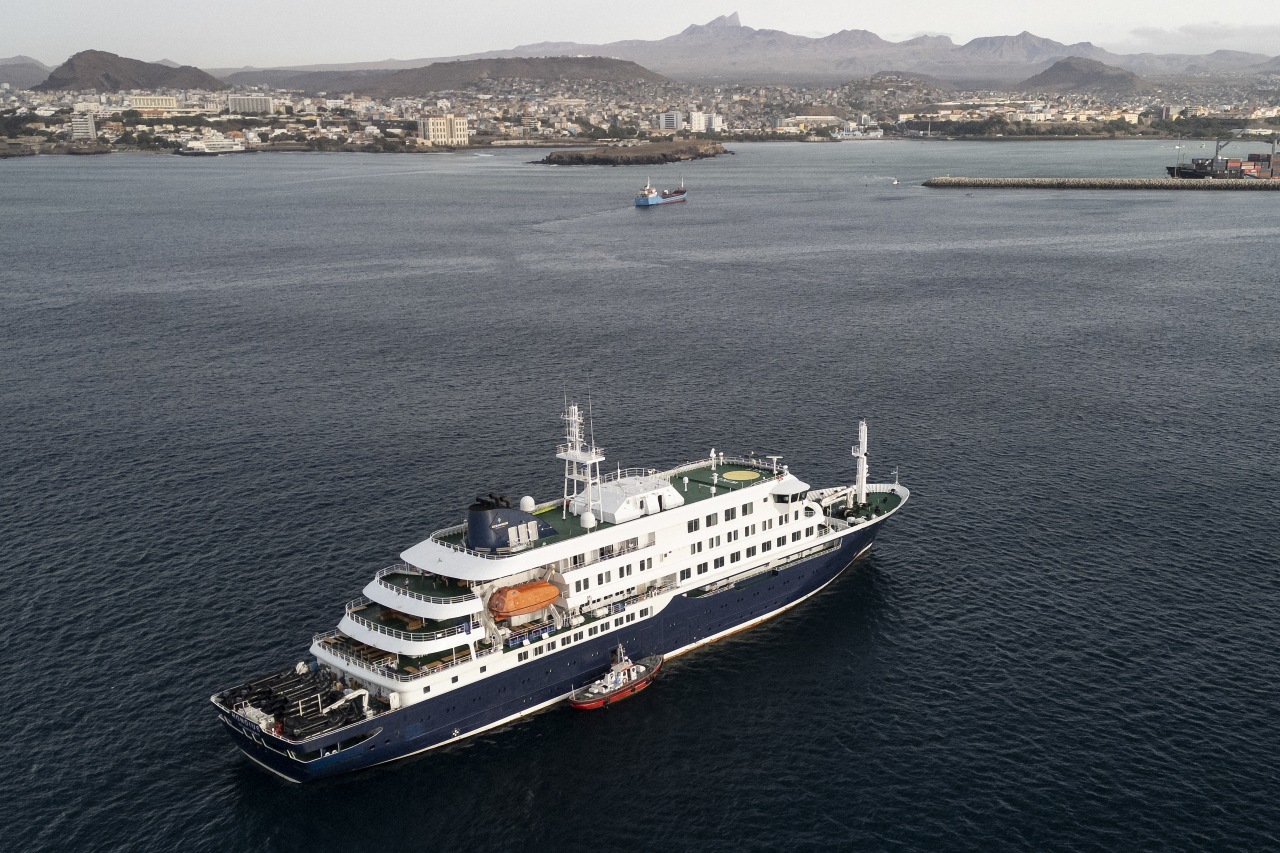
Oceanwide said Monday that it canceled two future sailings on the ship, the MV Hondius, that carried passengers during the outbreak. The ship will undergo a multiday cleaning and disinfecting process after landing at a port in the Netherlands Monday, the company said. Most of the ship’s crew and medical staff disembarked and will undergo quarantine.
The company didn’t respond to requests for comment.
What the outbreak will mean for Oceanwide and the expedition industry’s future remains to be seen. Other expedition-cruise operators said they haven’t experienced any slowdown in bookings as a result of the hantavirus situation. The limited nature of the outbreak and Oceanwide’s handling of the situation could put some travelers at ease, industry executives said.
Travelers “generally understand the realities of traveling in remote and unpredictable environments,” said Akvile Marozaite, chief executive of the Expedition Cruise Network trade group.
A different kind of cruise
Cruisers and industry executives compare an expedition sailing more to a safari rather than what you might get aboard the gigantic ships regularly sailing out of Miami.
Instead of singers and dancers, passengers on these journeys will find scientists, historians and nature guides. A 2022 Oceanwide sailing charted an island on the Antarctic coast that had not been mapped formally in more than 100 years.
Some rooms on Oceanwide ships feature bunk beds that can be booked by solo travelers. There are no luxury shops onboard, just basic souvenir shops selling shirts, postcards and other commemorative items.
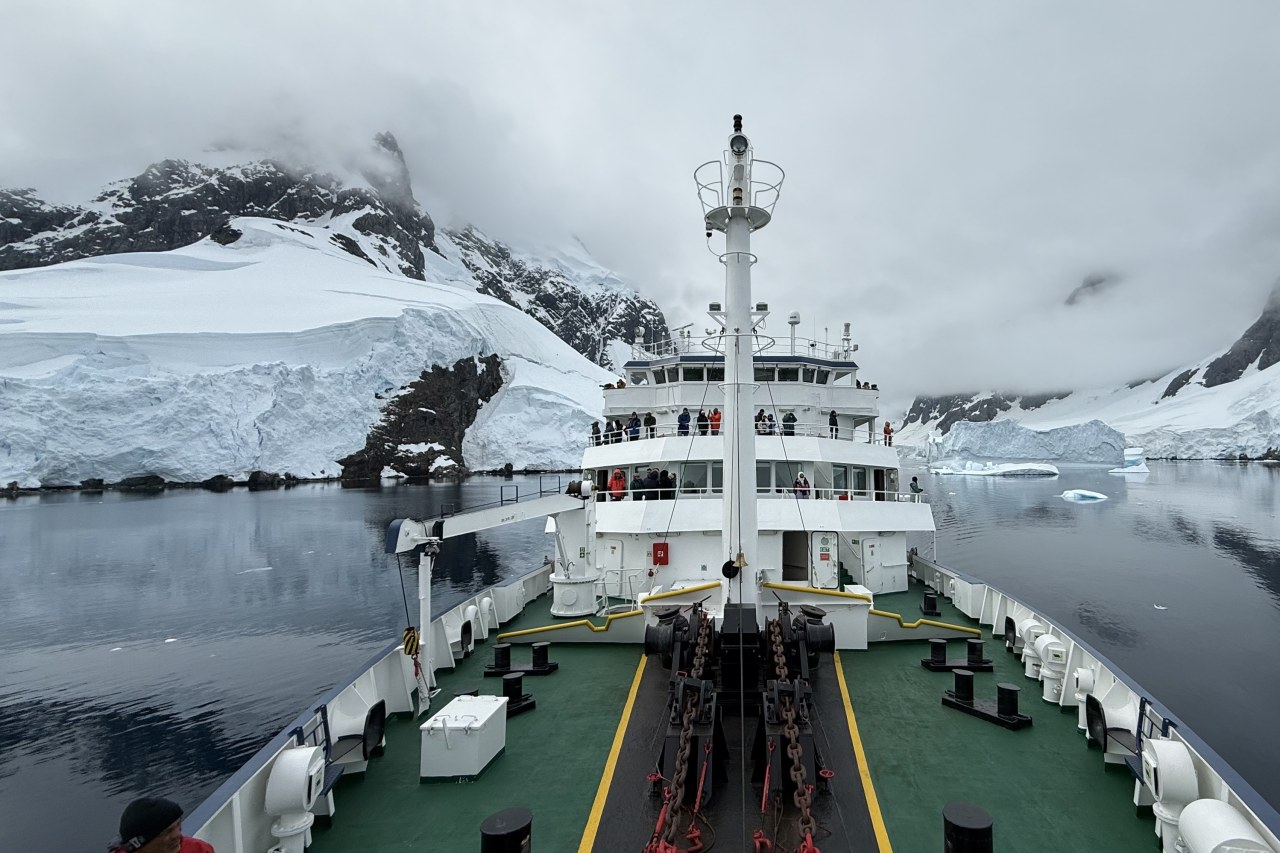
“The ship is not the destination for us; it is simply the method by which you can enjoy the destination,” said Iain McNeill, chief operating officer at HX Expeditions. “The onboard entertainment and the casinos, you’re not gonna get that with us.”
In recent years though, the expedition sector has seen the entry of luxury lines, such as Carnival-owned Seabourn and Royal Caribbean-owned Silversea. That has helped spark greater investment in more luxe ships purpose-built for cruising.
Expedition cruises don’t run cheap, potentially costing tens of thousands of dollars per voyage. Still, the sector is landing younger, affluent travelers, solo travelers, professionals in their 40s and 50s, and multigenerational families, Marozaite said.
On his sailing, Liss said most of his fellow passengers were “average people who saved up for this voyage.”
“We were all nature geeks,” he said. The small size of the MV Plancius—another Oceanwide vessel—meant that everyone onboard could get off at each site visited in the Antarctic, whose regions have strict visitation limits by size of group and frequency.
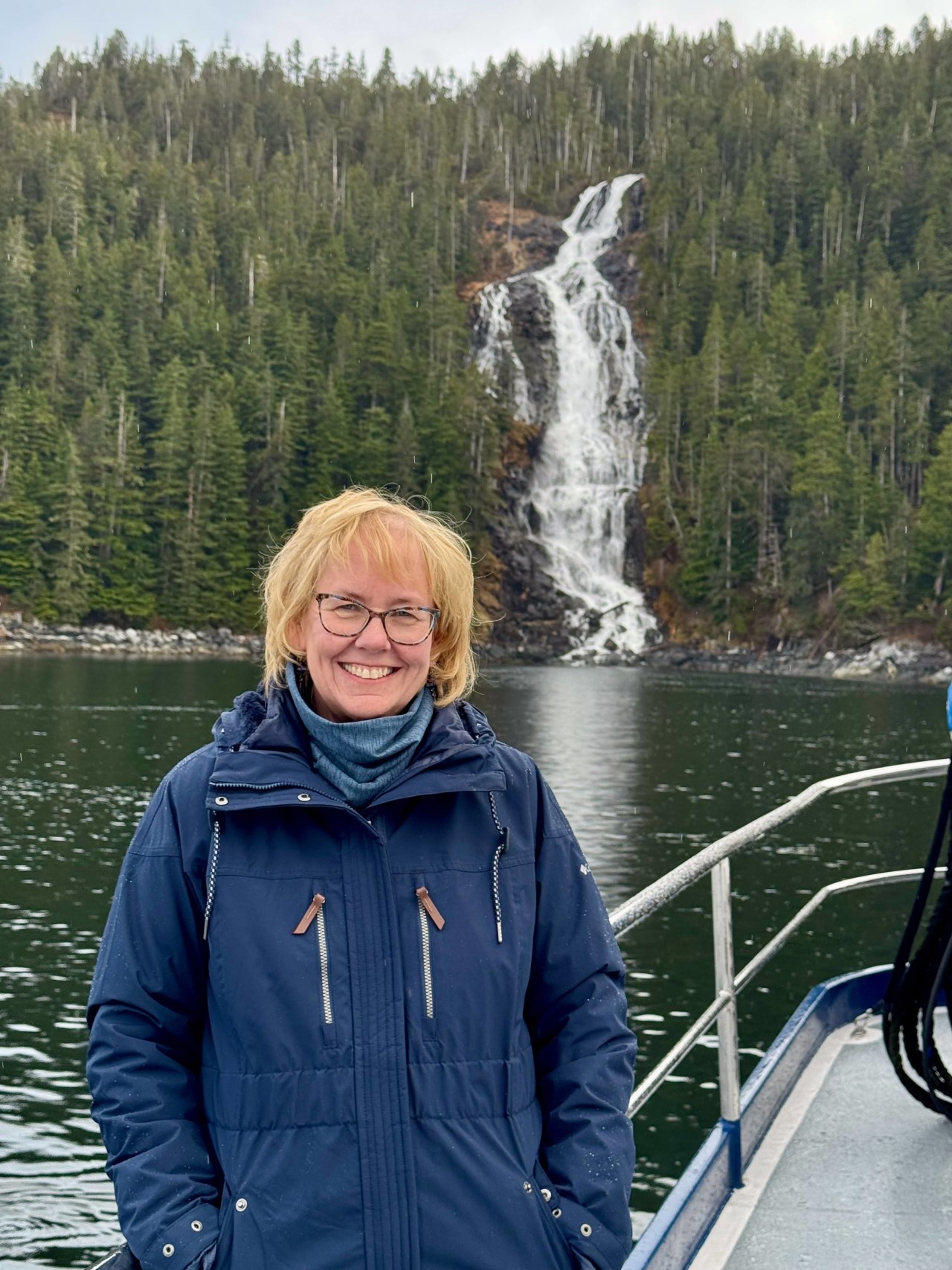
Jan Olson, a 66-year-old retiree from Dana Point, Calif., has taken multiple expedition cruises. She sailed aboard the Plancius on a trip organized by Cheesemans’ Ecology Safaris. She has also sailed to Antarctica with Quark Expeditions on the Ocean Explorer, which debuted in 2021, and on yacht-like vessels to Alaska with smaller operators.
She compared being on the Plancius, which was originally an oceanographic research vessel for the Royal Netherlands Navy, to staying at a Hampton Inn rather than a Marriott.
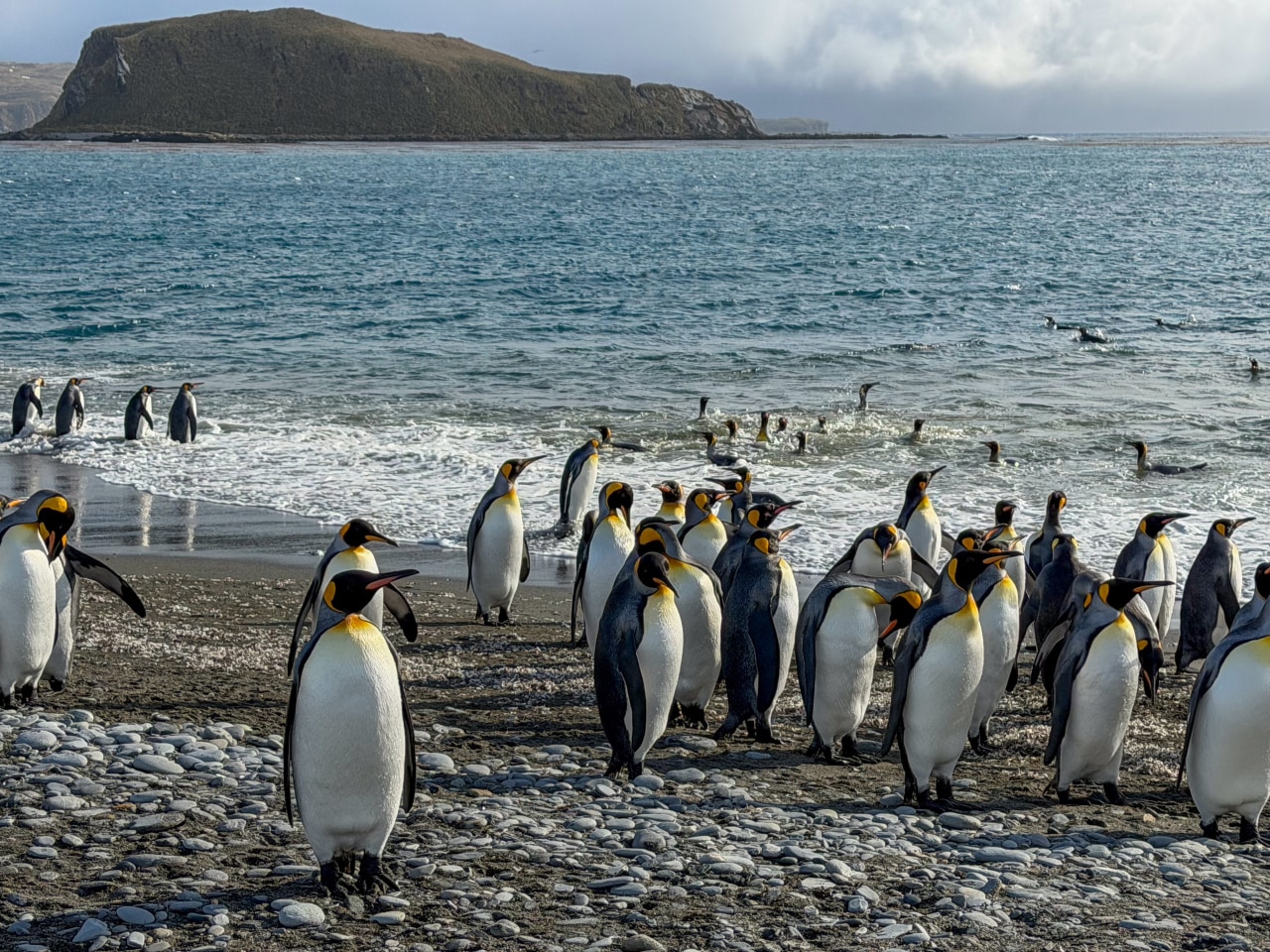
For Olson, the highlight of her time aboard the Plancius was the ship’s visit to South Georgia Island, home to millions of penguins in the South Atlantic Ocean. “You stop to take a photo, and somebody will say, ‘Behind you,’ and you turn around, and there’s one just staring at you,” she said.
The adventurous nature of such sailings and the activities they provide can be riskier than a more traditional cruise and a barrier for people with certain physical limitations. These ships generally do feature hospital-style medical services, but they might not be able to handle more complex health situations. Depending on where a ship is sailing, medical evacuation might not be feasible.
Growing opportunities
Oceanwide’s roots stretch back to the Plancius Foundation, a Dutch research program formed in the 1980s that conducted annual expeditions to Svalbard, the Norwegian archipelago where Longyearbyen is located. Oceanwide officially formed from those sailings as a Netherlands-based cruise company in 1993. Its first vessel, a sailing ship named the Rembrandt van Rijn, initially operated in Belize and the Galápagos.
Quickly, the closely held Oceanwide focused its operations mainly on the polar regions, visiting destinations such as Greenland, the Falkland Islands and Antarctica. Over the years it has added more ships—including two that are expected to debut in 2029 and 2030.
The new ships “are a key part of our long-term vision to remain small-scale, operationally flexible, and environmentally responsible,” Oceanwide CEO Rémi Bouysset said in March when announcing the new vessels.
It’s that approach that Oceanwide’s previous passengers said has them wanting to return, despite recent events.
“You’re not surrounded by tourists,” Liss said of his experience on Oceanwide. “It’s just you and the raw nature. That’s what people are looking for these days—these unique experiences that are harder and harder to get.”
Write to Jacob Passy at jacob.passy@wsj.com