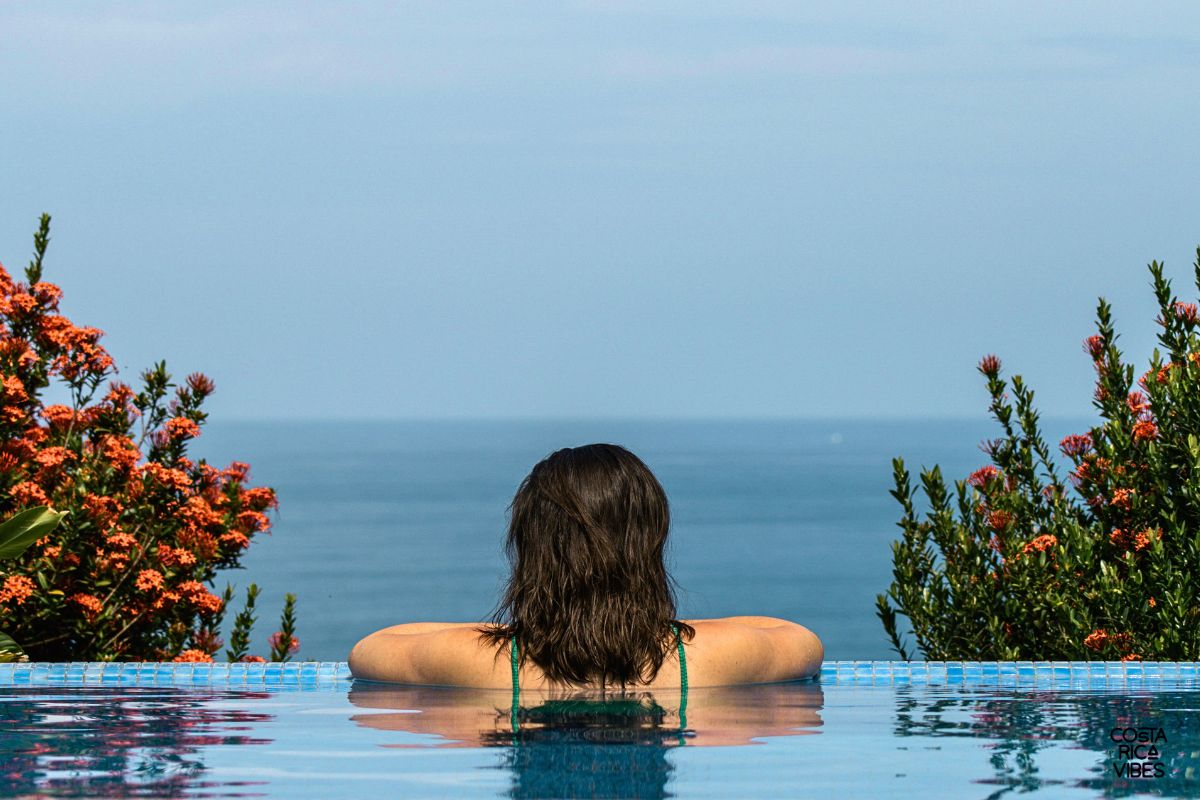
Thinking about moving to Costa Rica? Here’s where to live…
Costa Rica keeps showing up on lists of best places to move abroad and I think, it’s deserved. But “moving to Costa Rica” looks completely different depending on which region you pick.
I’ve lived in Costa Rica since 2016, traveled extensively to every region, and have spent years watching the property market and learning what different areas are really like for people actually making a move.
The Caribbean coast and Guanacaste have almost nothing in common except they’re both in the same country. So if you’re curious about what life actually looks like in different parts of Costa Rica (whether you’re seriously considering a move or just wondering what the hype is about) here’s the honest breakdown.
Before You Decide
Before you fall in love with a town on Instagram, ask yourself:
- What’s your budget? Some regions are comfortable on $2,000–$2,500/month; others run $4,000+.
- Beach or mountains? Climate, humidity, and daily feel vary dramatically across the country.
- How often do you need to fly home? Costa Rica has two international airports — proximity to one of them matters if you want to easily be able to get back to your friends and family in another country.
- International community or local experience? Some areas have thriving networks of international residents; others are quieter and more Tico.
- Healthcare and schools? English-speaking doctors and international schools aren’t everywhere.
- Remote work? Internet reliability is improving but still varies significantly by area.
1. Guanacaste Province — For People Who Want Infrastructure and Sunshine
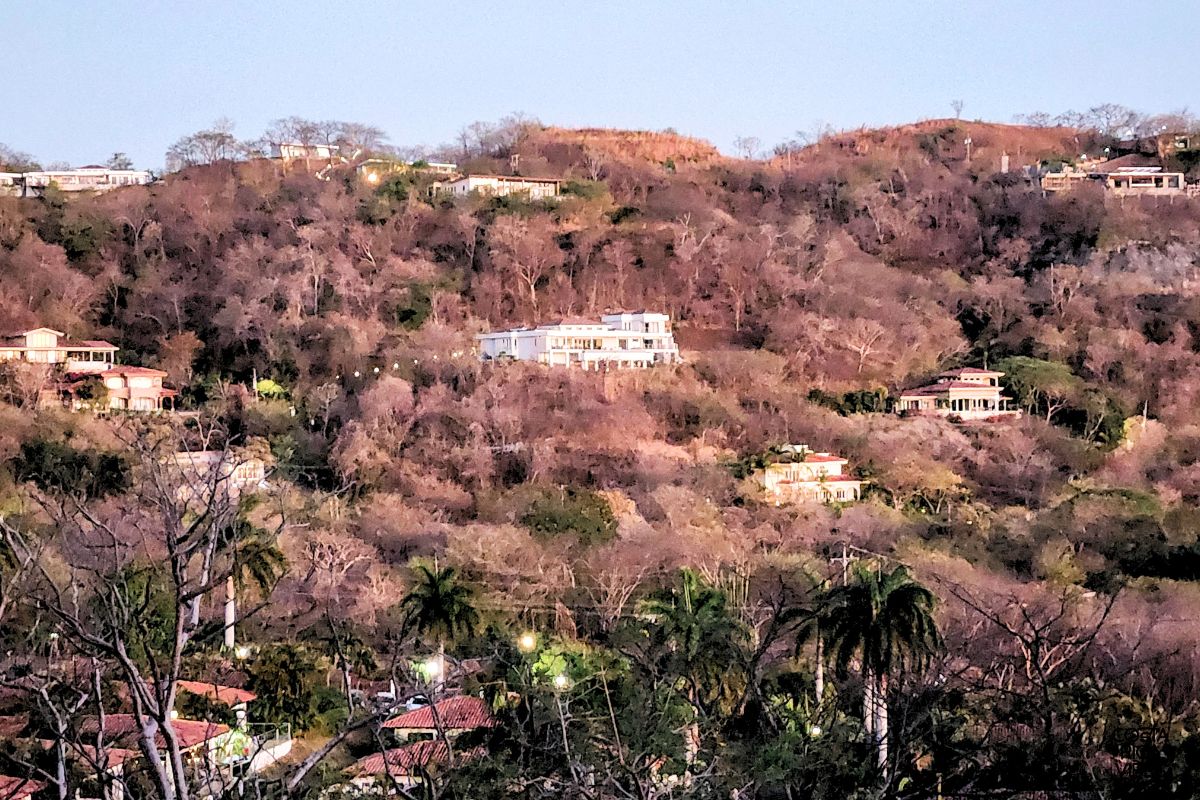
The vibe: Dry, sunny, established, and the most developed region for international residents.
Guanacaste has modern grocery stores, English-speaking doctors, international schools, and a well-established real estate market. It’s close to Liberia International Airport, which is a big deal if you travel back to the US or Europe regularly.
All of that comes at a price, though. Guanacaste is one of the pricier regions, especially near the beach.
Where people land:
- Tamarindo — A big international hub with tons of restaurants, services, and nightlife. Increasingly expensive and crowded, with a lively, party-adjacent vibe.
- Playa Flamingo — More residential and family-friendly, with lots of high-rise condos that double well as vacation rentals. Good amenities and a less hectic pace than Tamarindo.
- Papagayo — Luxury corridor. Gated communities and multimillion-dollar homes with Pacific views.
- Playas del Coco and Playa Hermosa — More local feel with a real mix of price points. High-end properties in the hills above town, more affordable options downtown and on the outskirts.
2. Central Pacific — For People Who Want Beach & Proximity to San Jose
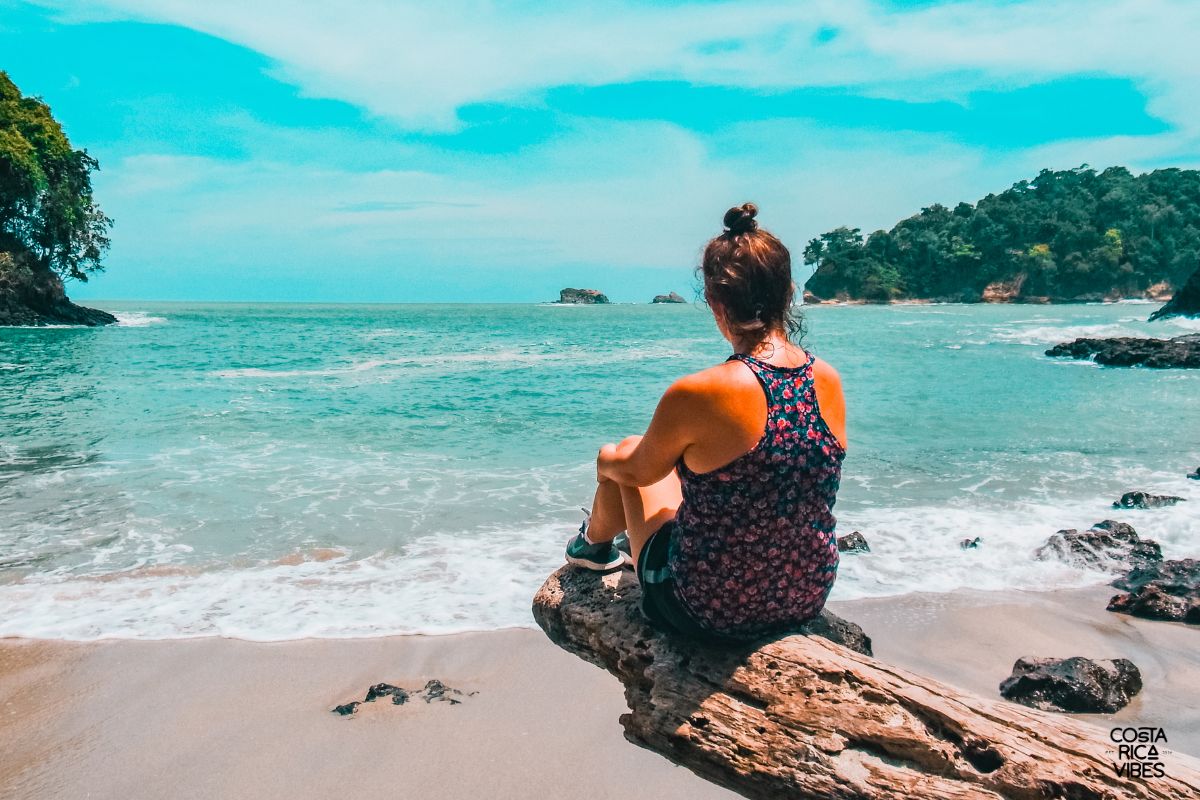
The vibe: Beach life with better proximity to San José and more midrange prices.
The Central Pacific coast (roughly Jacó through Manuel Antonio) is not too far from San José. You’re never far from major hospitals, the airport, or city infrastructure, which makes it a practical choice for people who want beach life without committing to somewhere truly remote.
Where people land:
- Jacó — Urban beach town with a gritty feel. You have to be specifically looking for the Jacó vibe. Personally, I would never move here. But it has bars, surf shops, nightlife, and conveniences.
- Manuel Antonio — More upscale, with the famous national park right there. Really touristy though, and there’s basically one main road in and out. During the high season, traffic is not ideal.
- Esterillos, Herradura, and Playa Hermosa — Smaller, quieter, better value. Esterillos is underrated. Herradura has higher-end options due to the Los Sueños resort community.
This region gets more rain than Guanacaste, and weekend highway traffic can be rough.
3. Nicoya Peninsula — For People Who Want Community and a Slower Pace
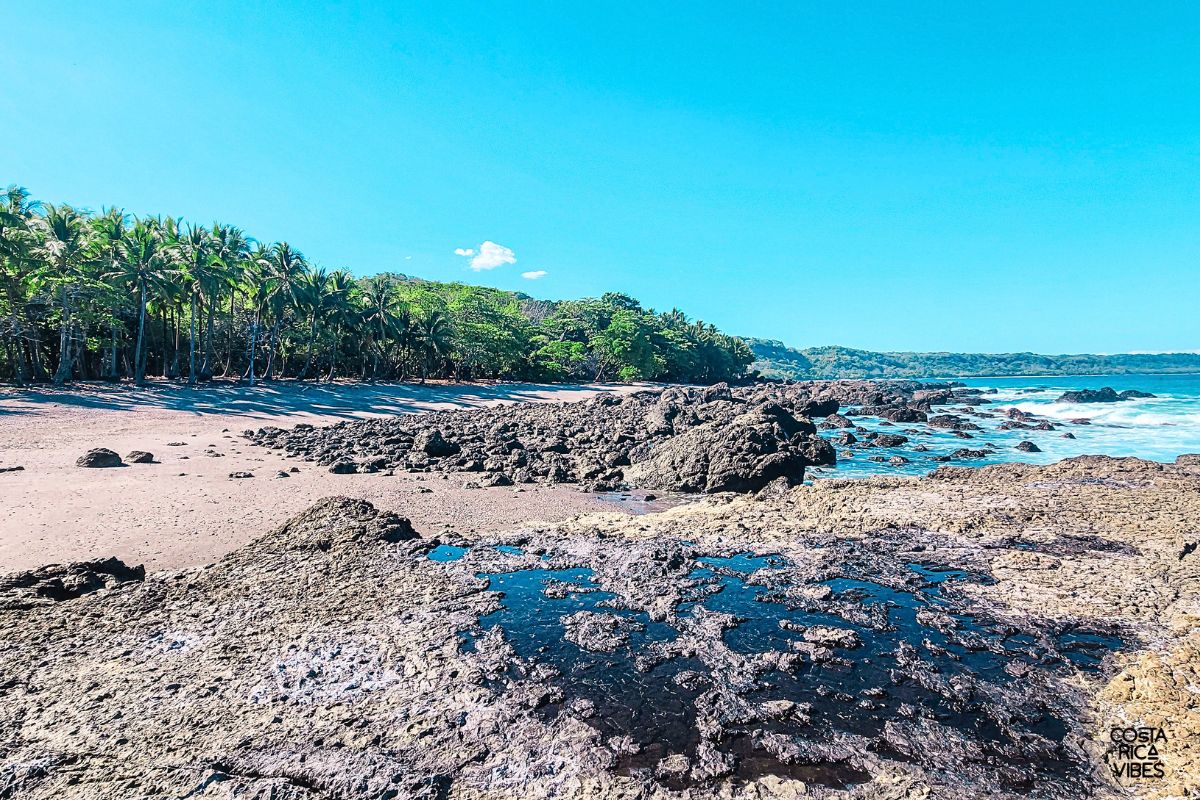
The vibe: Wellness-focused, surfer culture, genuine community feel.
Where people land:
- Santa Teresa — Surf-heavy, wellness-focused, increasingly expensive and crowded. Some really nice properties in the hills above town, with budget-friendly options still available if you look.
- Sámara — Calmer, more affordable, family-friendly. Good international community without the intensity. I think it is very livable and underrated.
- Montezuma — Eclectic, artsy, bohemian. Small and limited on services, but with real character. If I moved to the beach, this is where I’d go.
- Cabuya — Tucked between Mal País and Montezuma this area is getting easier to access but is, still quiet and peaceful. It is more affordable than Santa Teresa or Nosara, and hasn’t been fully discovered yet.
- Nosara — Yoga and surf hub. This area has a strong international community but is increasingly expensive. It is great if that wellness lifestyle is your thing.
4. Central Valley — The Underrated Option Most People Don’t Consider
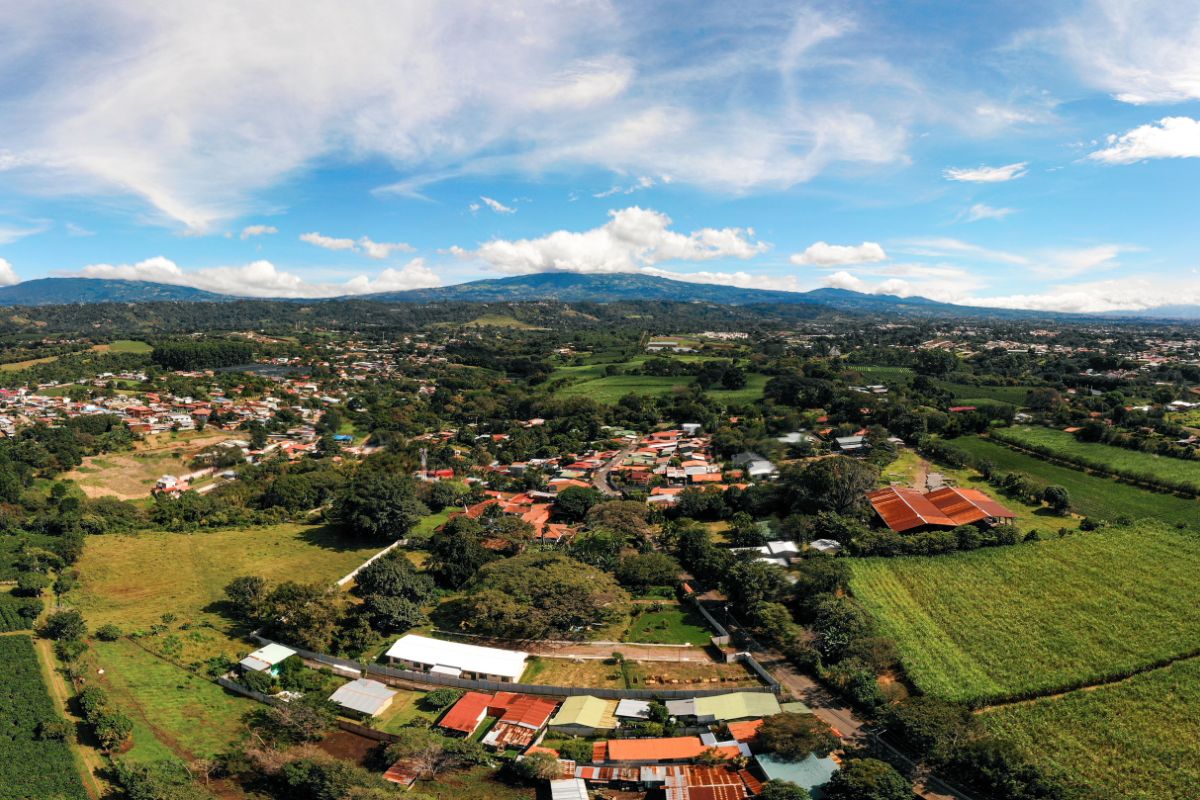
The vibe: Year-round spring climate, best healthcare in the country, significantly cheaper than the coasts.
I live here and genuinely love it. It doesn’t get too hot, you’re close to the international airport, services are reliable, and things cost a lot less than beach areas. The trade-off is that it’s not the beach postcard lifestyle that most people want from this country.
Where people land:
- Escazú and Santa Ana — Well-developed, good amenities, a bit pricier within the valley but still a fraction of coastal prices.
- Atenas — Sits above the valley with sweeping views that feel a bit like Switzerland, but with coffee plants. Cooler, quieter, still close to San José and the airport. There’s a big community of North Americans here, and it’s worth considering if you want mountain town life with real infrastructure nearby.
5. South Pacific — For Nature Lovers Who Want Something Wilder
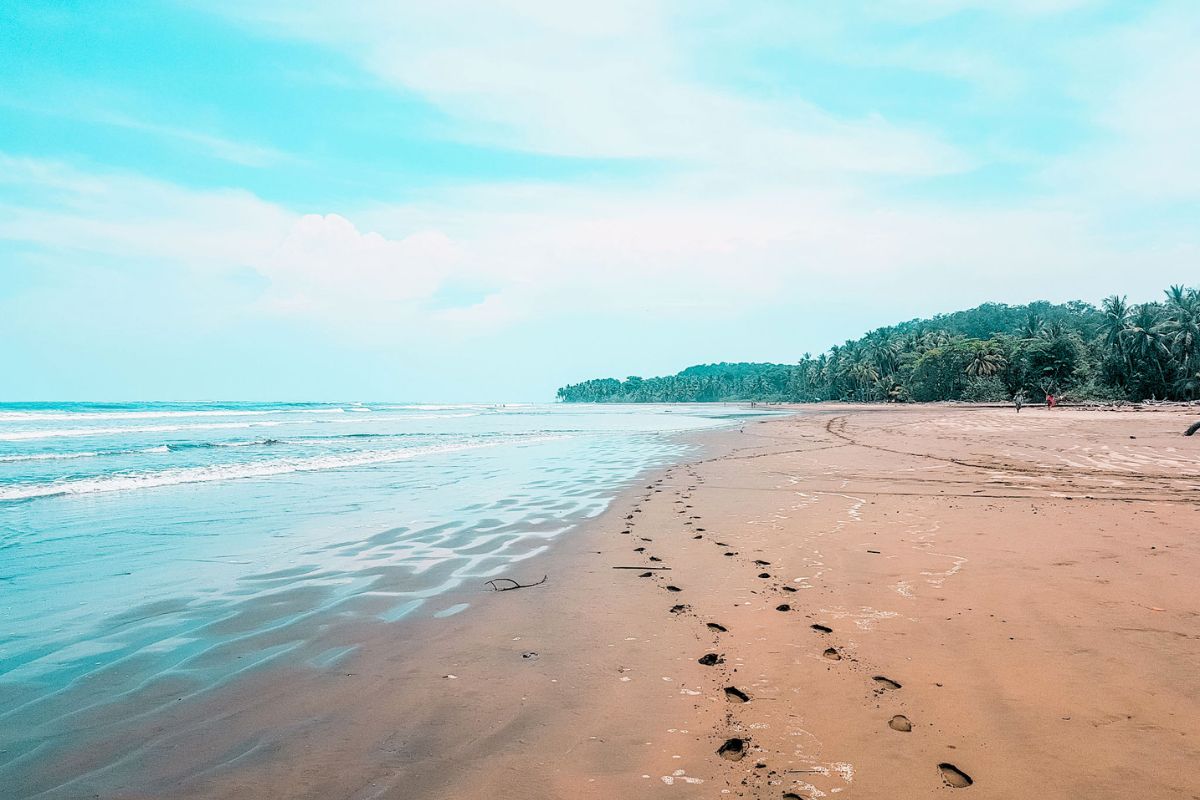
The vibe: Less built out, still relatively affordable (though that’s changing fast).
Where people land:
- Uvita — Growing fast, a bit pricier than the rest of the region, but increasingly well-serviced. Great base for nature lovers.
- Dominical — Probably the best value option in the South Pacific right now. Strong community, surf and yoga scene.
- Ojochal — Popular with French Canadian residents, surprisingly known for its restaurant scene, very livable.
Worth noting for this whole region: you’re mostly not living directly on the beach. You’ll be in the hills above with views down to the coast.
Drake Bay and Puerto Jiménez — Remote and affordable, but if you want to leave, you’re either driving five hours to the international airport or taking a domestic flight. Real trade-off for real seclusion.
6. Caribbean Coast — For People Who Want Something Completely Different
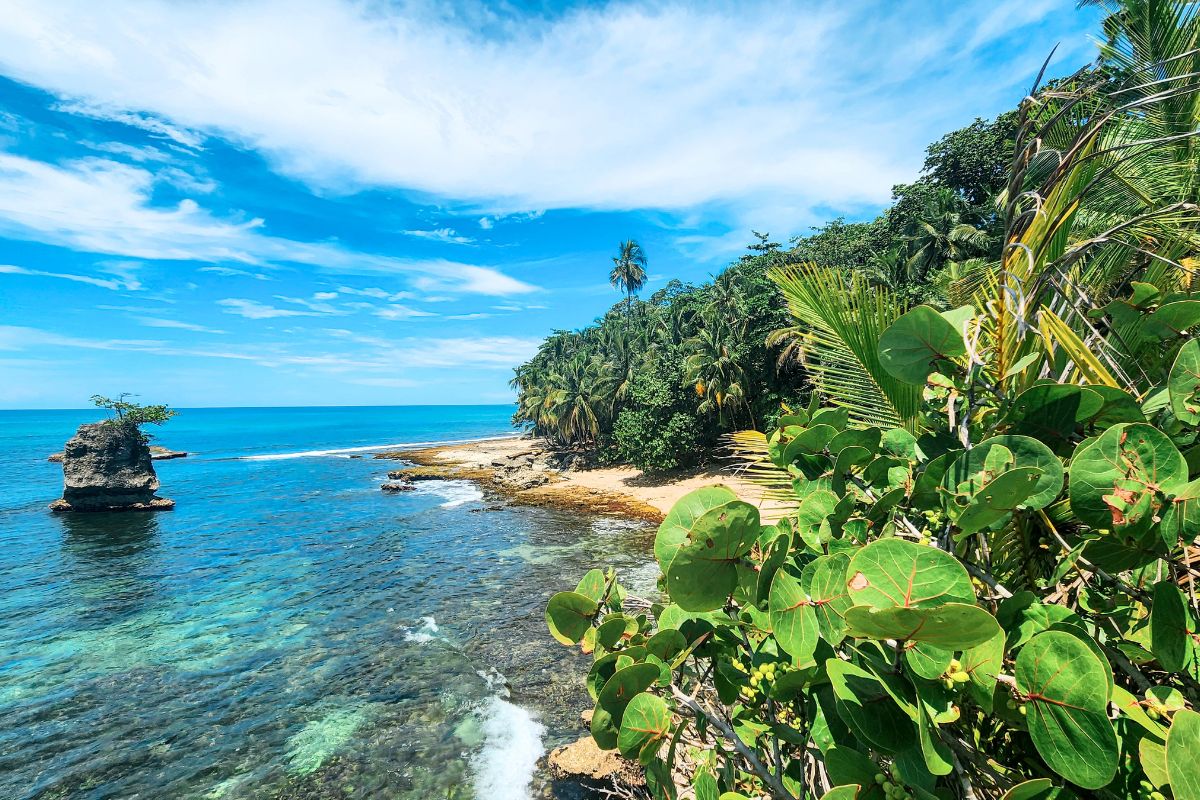
The vibe: Afro-Caribbean influenced, colorful, culturally distinct from the Pacific side.
The Caribbean has reggae, incredible food, a more local feel, and beaches that look nothing like the Pacific. The international community is smaller and less built out, butsome people love that; others find it isolating.
Where people land:
- Puerto Viejo — The liveliest spot on the coast. Good community, great food. The stretch from Puerto Viejo down toward the Panama border has beautiful beaches that are still semi-affordable.
- Cahuita — More low-key, genuinely charming, more local feel. Getting to the international airport takes some time, so factor that in.
The Caribbean gets rain most of the year. It’s lush because of it, but it’s not Guanacaste dry-season sunshine.
The Best Advice I Can Give
Spend time in a few regions before you commit. Take a longer trip (a few months if you can) and actually move around. Stay somewhere for a couple of weeks, not just a few days. Shop at the local grocery store. Try to embrace the lifestyle and not just the tourism feel.
Practical tips for doing this:
If you need a rental car for more than a month, fill out our contact form — we have longer-term partnerships with our favorite local company and can get you a discount.
VRBO is great for monthly rentals that let you actually settle into a place rather than bouncing through hotels.
For extended travel insurance, SafetyWings is solid and very reasonably priced.
And once you’ve started narrowing things down, follow @cheaphomes.cr on Instagram for daily property listings across all regions. All properties afre under $300k. And subscribe to the Cheap Homes CR newsletter for weekly curated properties and honest neighborhood intel.
Plan Your Costa Rica Trip Like a Pro
🏨 Browse our hand-picked hotels: Search stays we actually recommend; with smart filters, clear locations, and plenty of free-cancellation options.
🏡 Find vacation rentals that make sense for your trip: From jungle villas with pools to laid-back beachfront homes.
🚗 Save 10% on your car rental: Plus free second driver, 0% deductible, and genuinely great service (this is who we use ourselves).
🚐 Compare shuttles & private transfers: Easy airport pickups and point-to-point rides anywhere in Costa Rica. Use code: SARAHMC5 at checkout.
✈️ Compare flights: We use Skyscanner to compare routes, prices, and flexible dates, especially helpful when flying into or out of Costa Rica’s different airports.
🛡️ Travel insurance: We always recommend traveling Costa Rica with insurance that covers medical care, trip interruptions, and adventure activities. It’s one of those things you hope you don’t need, but are very glad to have if plans change.