What experienced travelers pack for Europe to avoid stress and worst-case scenarios
Most people heading to Europe for the first time spend weeks agonizing over their packing list, then still end up dragging a suitcase too heavy to lift up a train staircase. Seasoned travelers approach it differently. They’ve made the mistakes, lost the things, and quietly rebuilt their system around what actually matters when something goes wrong.
The difference between a smooth trip and a stressful one often comes down to preparation that fits into a manageable bag. What follows is what experienced travelers actually pack, and why each choice tends to matter more than most people expect.
The Right Bag: Mobility Is Everything
Traveling through Europe often means moving between cities, trains, airports, and historic districts. Unlike many vacations where travelers stay in one resort, European trips frequently involve multiple destinations.
That reality shapes everything about how you carry your stuff. Europe is all stairs, narrow alleyways, and cobblestone streets, none of which are easy to navigate with wheeled luggage.
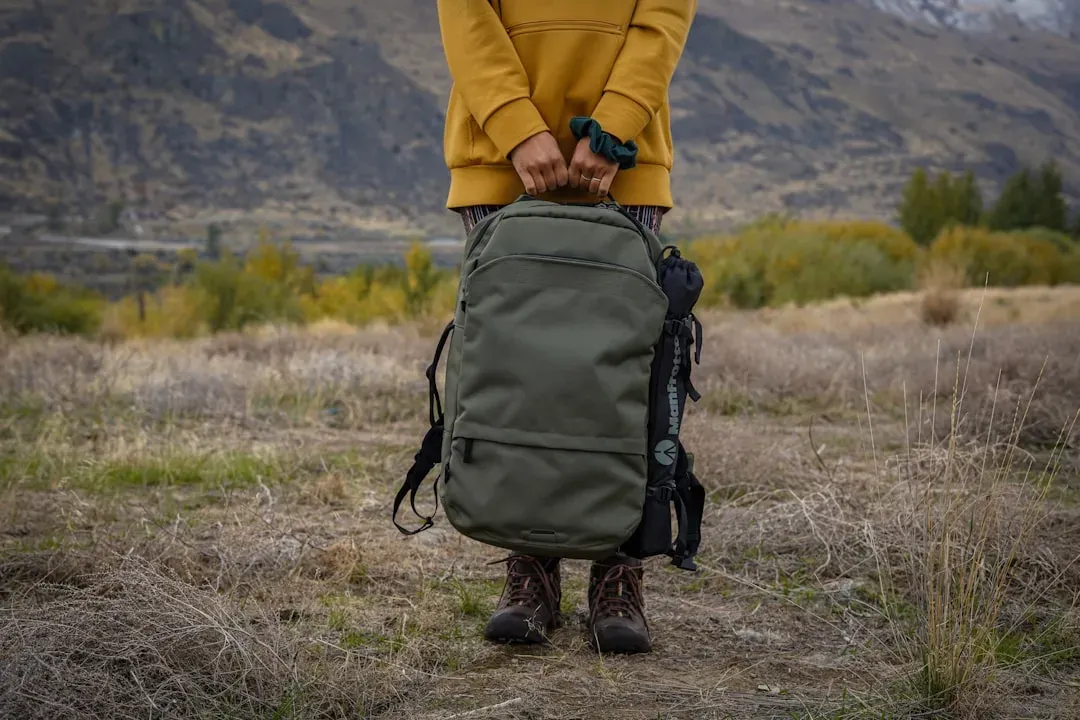
Taking trains, buses, and ferries adds to the challenge. Experienced travelers often favor a well-structured carry-on backpack or a mid-sized rolling suitcase they can actually lift, rather than an oversized checked bag that becomes a burden at every stop.
Clothing That Works Harder Than One Outfit
When deciding what to wear in Europe, one of the keys to packing is to choose items that you can mix and match. This sounds obvious until you’re standing in front of a full closet trying to pack for two weeks and four climates at once.
Dark neutrals are your friend: ensure all your shirts and pants pair well with each other for maximum versatility, and choose dark and neutral colors because they hide dirt and stains better than light colors. Layering is more practical than a big bulky coat unless you’re going somewhere extremely cold.
A thermal base layer, long-sleeve shirt, sweater, and fleece jacket combination is more practical, and you can always add or subtract layers as needed. It’s important to have at least a couple of pieces of clothing that cover your shoulders and knees to allow entry to religious sites.
Shoes: The One Area Where You Can’t Compromise
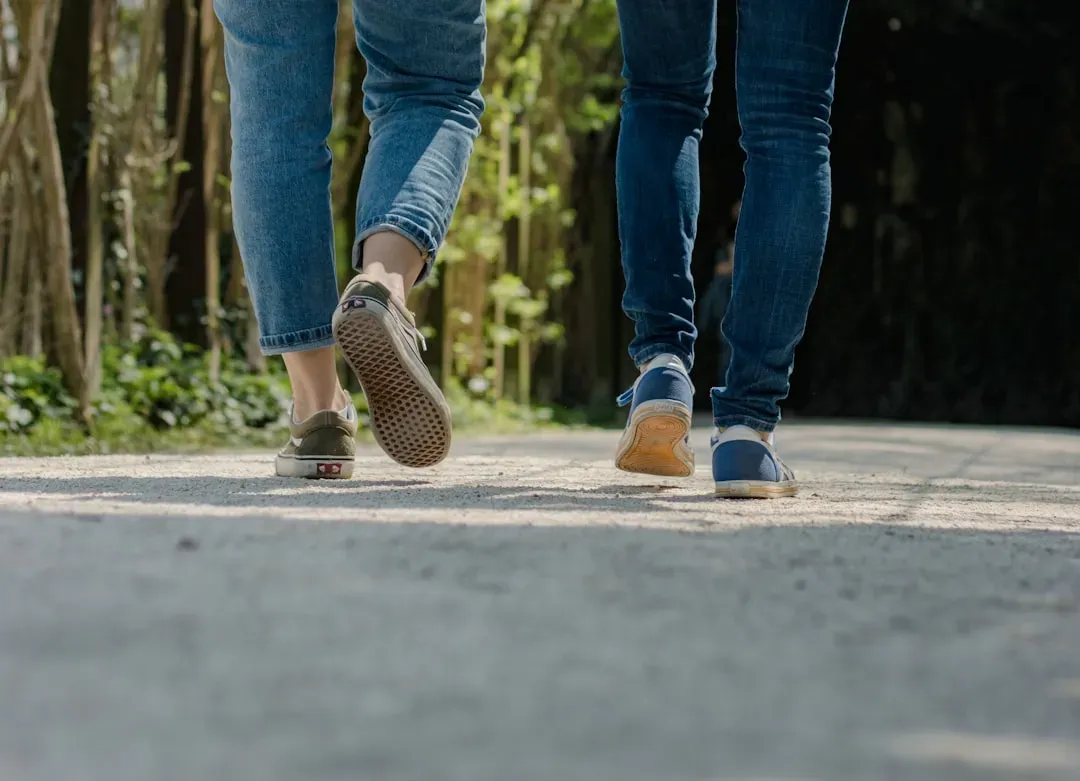
Footwear is crucial for exploring Europe’s charming cobblestone streets. Comfortable shoes will keep you moving without discomfort, letting you wander for hours.
Many veteran travelers bring no more than two or three pairs total and plan their whole footwear strategy around that constraint. Experienced travelers never skimp on socks, and any seasoned traveler will tell you the same.
Spending extra money on quality socks helps keep feet dry, odor-free, and blister-free. Experienced travelers swear by high-quality, lightweight merino wool socks for summer because merino wool naturally keeps your feet cool and dry.
It sounds like a small thing. After ten miles of walking in Rome, it won’t feel small at all.
The Money Belt and Anti-Theft Gear
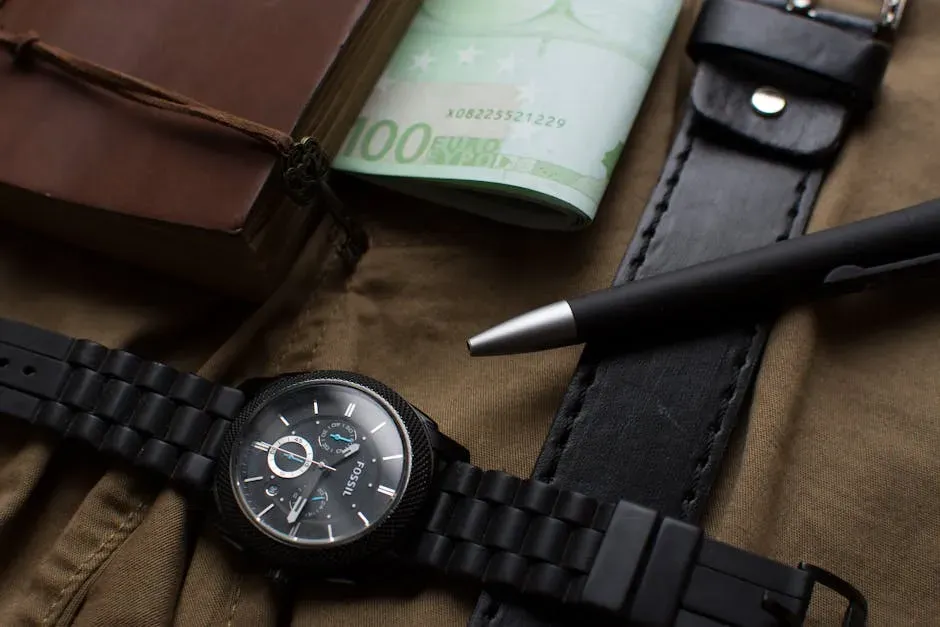
A money belt is a flat, hidden, zippered pouch worn around the waist and tucked under clothes. You could lose everything except your money belt, and the trip could still go on.
This is one of those items that feels fussy until the moment you actually need it. The threat is real and statistically documented.
Greater Rome recorded over 33,000 pickpocketing incidents in 2024, a significant increase compared to 2019. In the UK, an estimated 78,000 people were victims of snatch theft in 2024, a dramatic rise from the prior year, with London accounting for the majority.
Anti-theft bags come with safety features designed to protect your belongings, including lockable zippers, slash-proof materials, RFID blocking, and cut-proof straps. Carrying one of these in crowded markets or on metro systems is simply smart travel.
Travel Documents: Physical Copies and Digital Backups
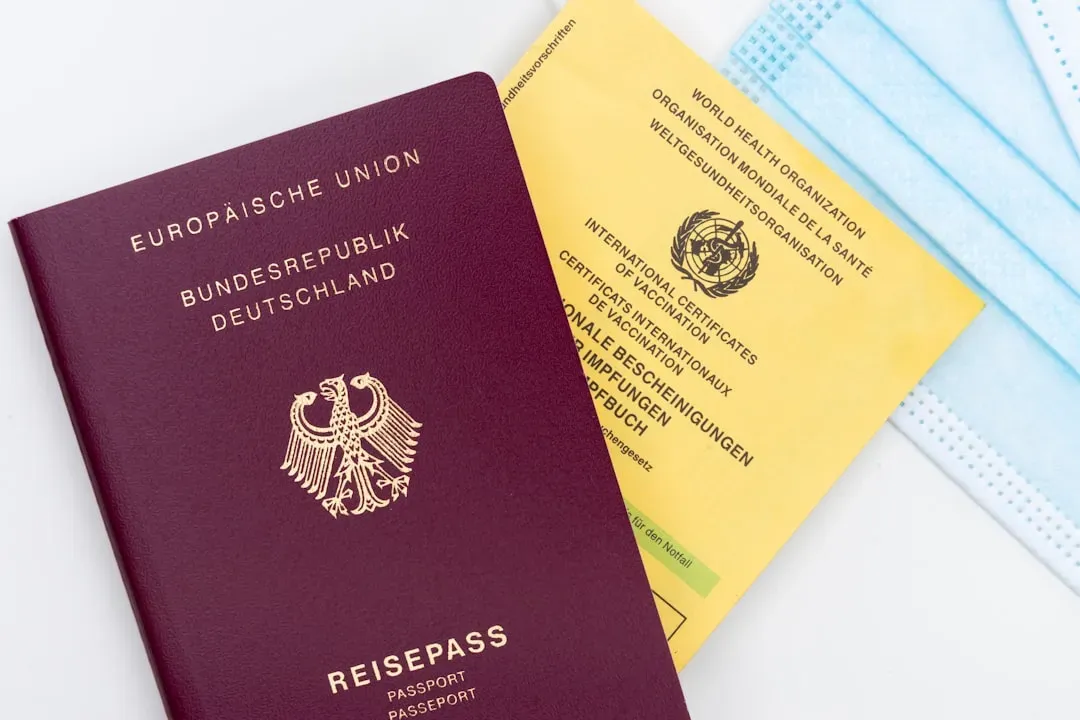
Ensure your passport is valid for at least six months beyond your planned departure date, check if you need a visa for the countries you’re visiting, and keep copies of important documents. Experienced travelers also go one step further: take pictures of your ID, passport photo page, plane reservations, and anything else you need, and put them in a password-protected folder you email to yourself.
That way, you have the details to get things replaced if they are stolen. You may also want to email the international number for your bank, airlines, and the U.S. consulate.
Organizing your travel documents is vital before you depart. Keep essentials like your passport, visas, and travel insurance in a safe, accessible place, and use a travel document holder to keep everything organized and stress-free.
Most of Europe is part of the Schengen Zone, which allows many nationalities to freely travel between 27 countries for up to 90 days. Before heading off, it is best to double-check any visa requirements for where you are going.
Power Adapters, Electronics, and the Voltage Problem
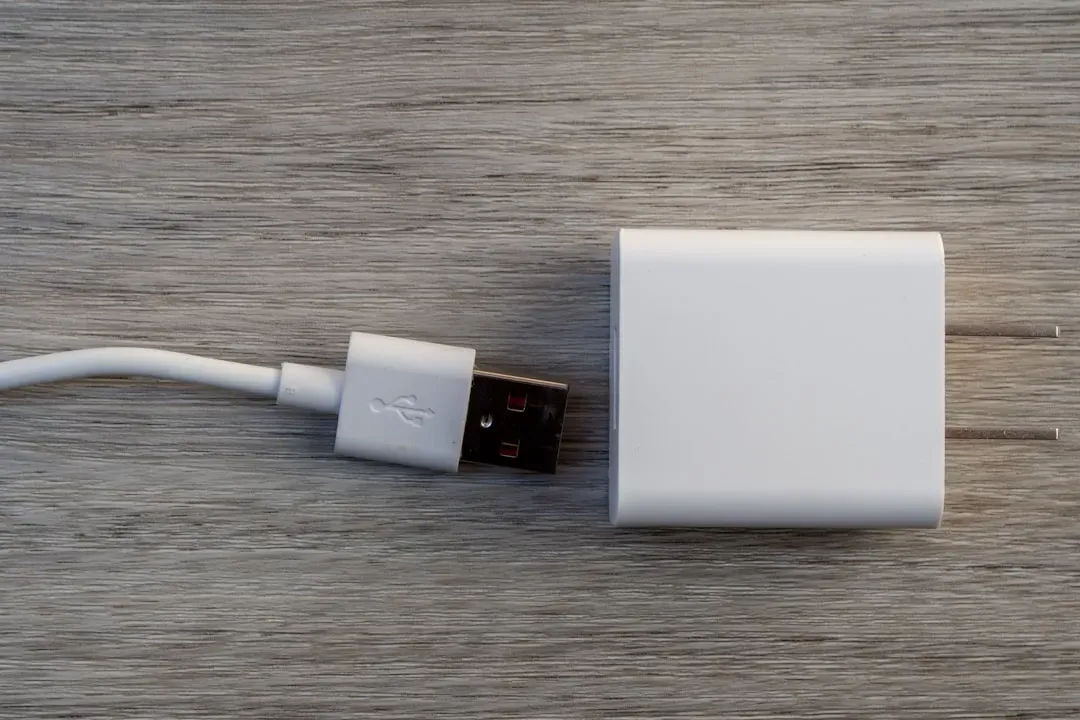
Since most modern travelers depend on their phones, tablets, and laptops for a safe and enjoyable trip, it’s critical to be able to charge devices in each country. Wall sockets in Europe are different from those in North America and often vary from country to country, making a power adapter one of the most essential things to pack.
Many travelers have discovered this only after arriving and finding their devices unusable. Most sockets in Europe have 230 volts, which is twice the voltage of American power sockets and could be too much for certain devices.
Prior to departing, check the voltage range for each device you plan to use. Most devices list the voltage range on the bottom or back of the unit.
If any of your devices are 100 to 120V appliances and not dual voltage, you’ll need a voltage converter to safely use them. High-powered tools like certain hair dryers and styling devices are common casualties.
eSIM Cards for Seamless Connectivity Across Borders
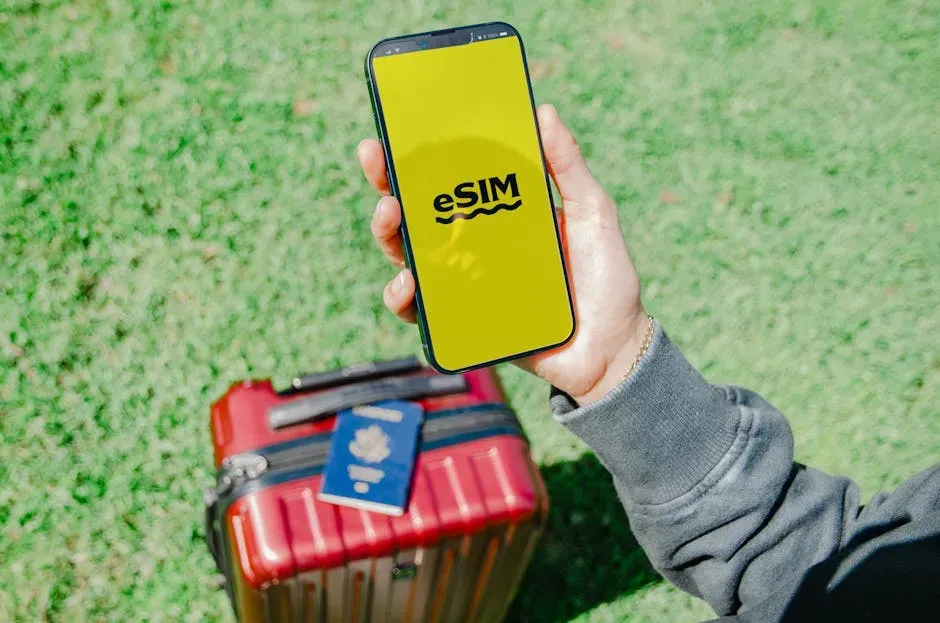
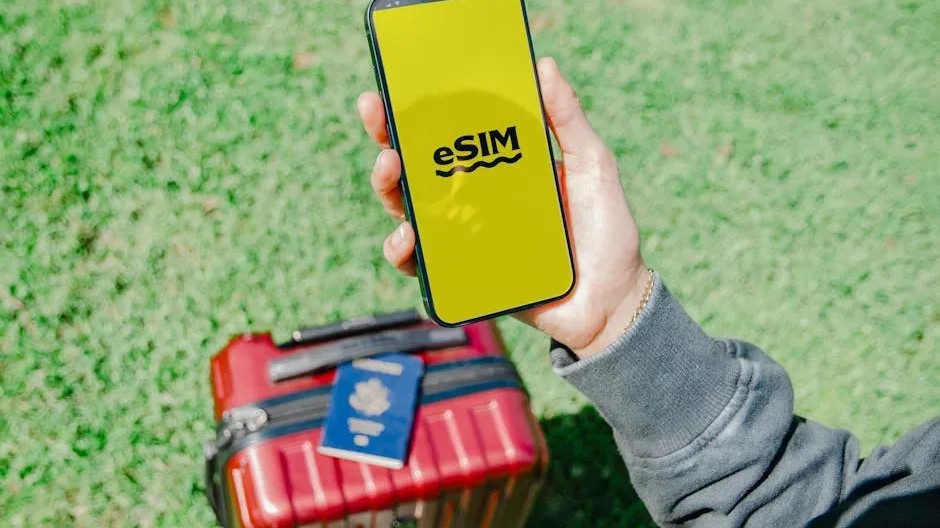
A Europe eSIM solves connectivity challenges by offering a single digital data plan that works across dozens of countries, activates instantly on compatible devices, and remains valid throughout your journey. This is one of the sharpest upgrades for any traveler who’s spent time hunting for local SIM cards in unfamiliar airports.
Leading providers such as Airalo, Saily, Roamless, and others now offer Europe-wide eSIM plans designed specifically for multi-country travel, allowing users to stay connected without changing SIM cards, visiting local stores, or relying on expensive roaming options. Traveling with a Europe eSIM is easier than ever, but making sure your device is compatible is the first step.
Whether you have an iPhone, Android, or tablet, understanding compatibility will help you enjoy seamless connectivity across Europe.
Travel Insurance and a Prepared Medical Kit
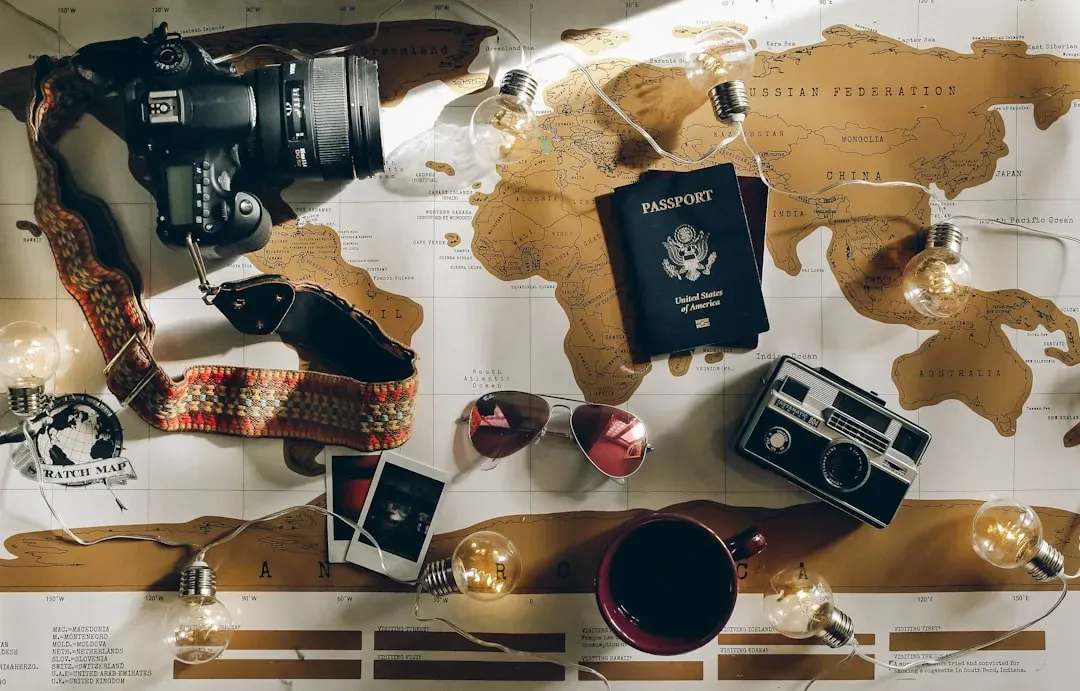
Travel insurance is mandatory for parts of Europe, and experienced travelers never leave the country without it. Europe is not a cheap place to foot a hospital bill, especially when paying out of pocket.
Accidents happen when least expected, and domestic providers typically do not follow you overseas, so protecting your travel investment against cancellations, delays, theft, baggage loss, and international medical expenses is essential. Pack basic first-aid supplies such as bandages and antiseptic wipes.
These can be a lifesaver for minor injuries or discomforts that may occur during your explorations. Many European countries are incredibly strict with their liquid restrictions on return flights, so keep this in mind.
Be sure to pack enough of each prescription medication and never put medications in checked luggage.
Packing Cubes, Reusable Water Bottles, and the Small Wins
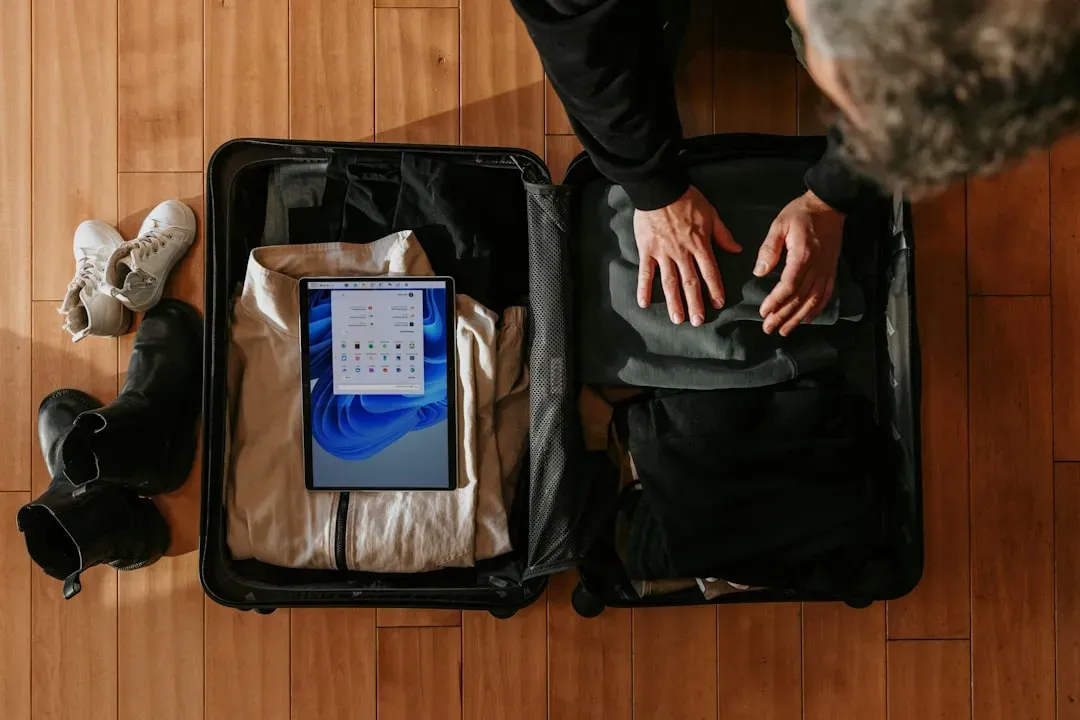
Packing cubes or compression bags keep everything organized and maximize space in your luggage, allowing you to pack more items or bring home souvenirs. You can easily categorize your suitcase for a stress-free traveling experience, using one cube for tops, one for bottoms, one for dresses and swimsuits.
Gone are the days of digging through your luggage for a single item. A water bottle is genuinely useful at airports, on trains, and at hotels.
Water actually costs money in many European restaurants and cafes. A packet of tissues belongs in your day pack, in case you end up at a bathroom with no toilet paper.
These details feel trivial until you’re standing in a public restroom in Budapest with neither. Washcloths are also rare in European hotels, so packing a quick-drying microfiber cloth is worth the minimal space it takes up.
Weather Layering and Region-Specific Additions

Europe’s weather changes fast, especially between coasts, mountains, and the Mediterranean. Using the season as a baseline, then adding region-specific extras helps significantly.
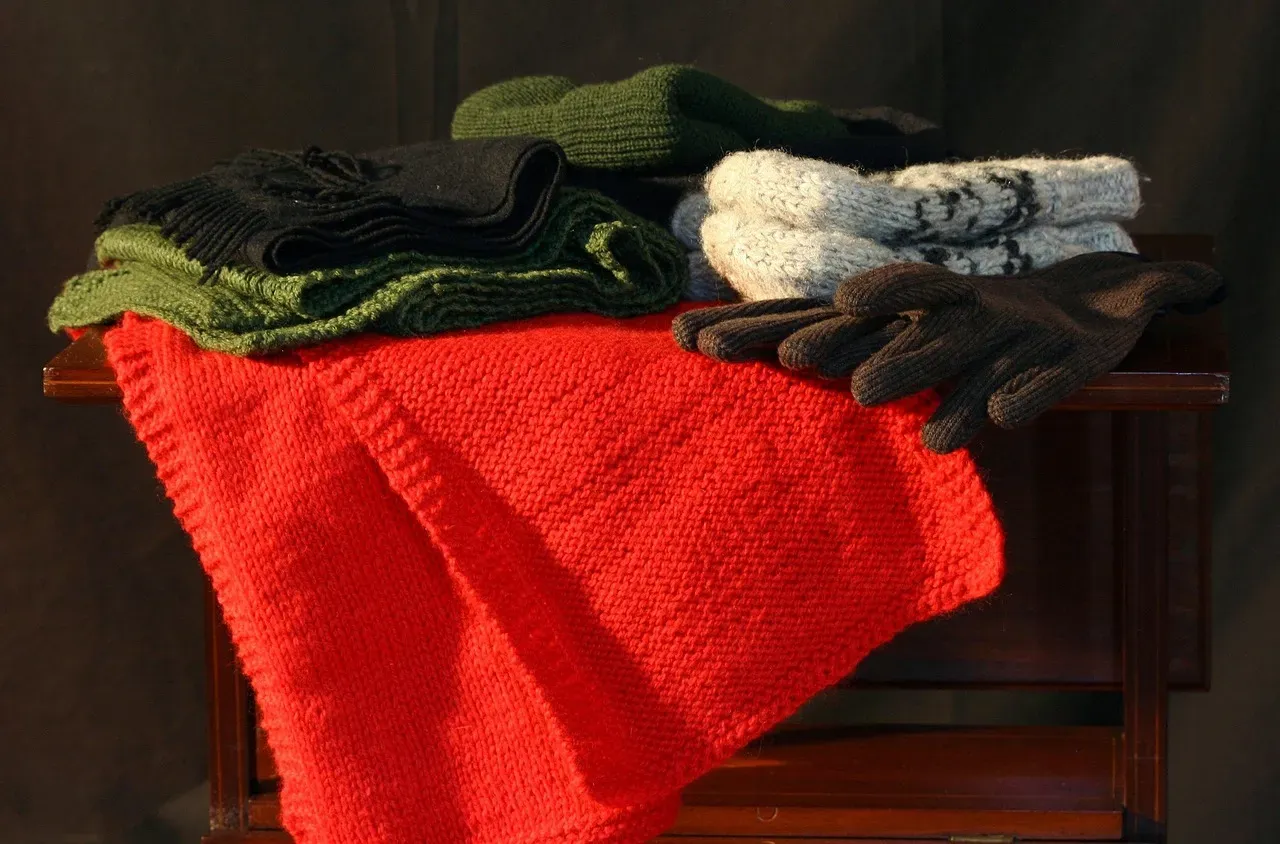
Northern Europe calls for a packable puffer, warm mid-layer, and beanie. Western and Central Europe typically requires a waterproof shell, a compact umbrella, and water-resistant footwear.
A light and water-resistant windbreaker with a hood is a reliable choice. A hooded jacket made of Gore-Tex or other waterproof material is good if you expect rain.
For summer travel, rain gear can be skipped in most places, but Britain and Ireland should always be packed for rain. Travelers visiting Europe in summer should keep in mind that air conditioning is not as widely used as in the US, so if you run hot, a small handheld portable fan can genuinely help.