Aarhus: Towering Timber, Circular City

Aarhus, Denmark, is redefining climate leadership, not as a fleeting trend or a tourist attraction, but as an intrinsic element woven into the fabric of the city’s daily life. This Scandinavian gem is demonstrating how sustainability can transition from a perceived sacrifice to a tangible enhancement of quality of life, manifested through superior design, robust infrastructure, and an elevated living experience. From innovative architecture utilizing unconventional materials to accommodations that encourage guests to embrace a slower pace, the Aarhus region offers a compelling glimpse into the future of green travel, viewed as a strategic, long-term investment.
The Skyscraper Built from Dreams and Discarded Materials
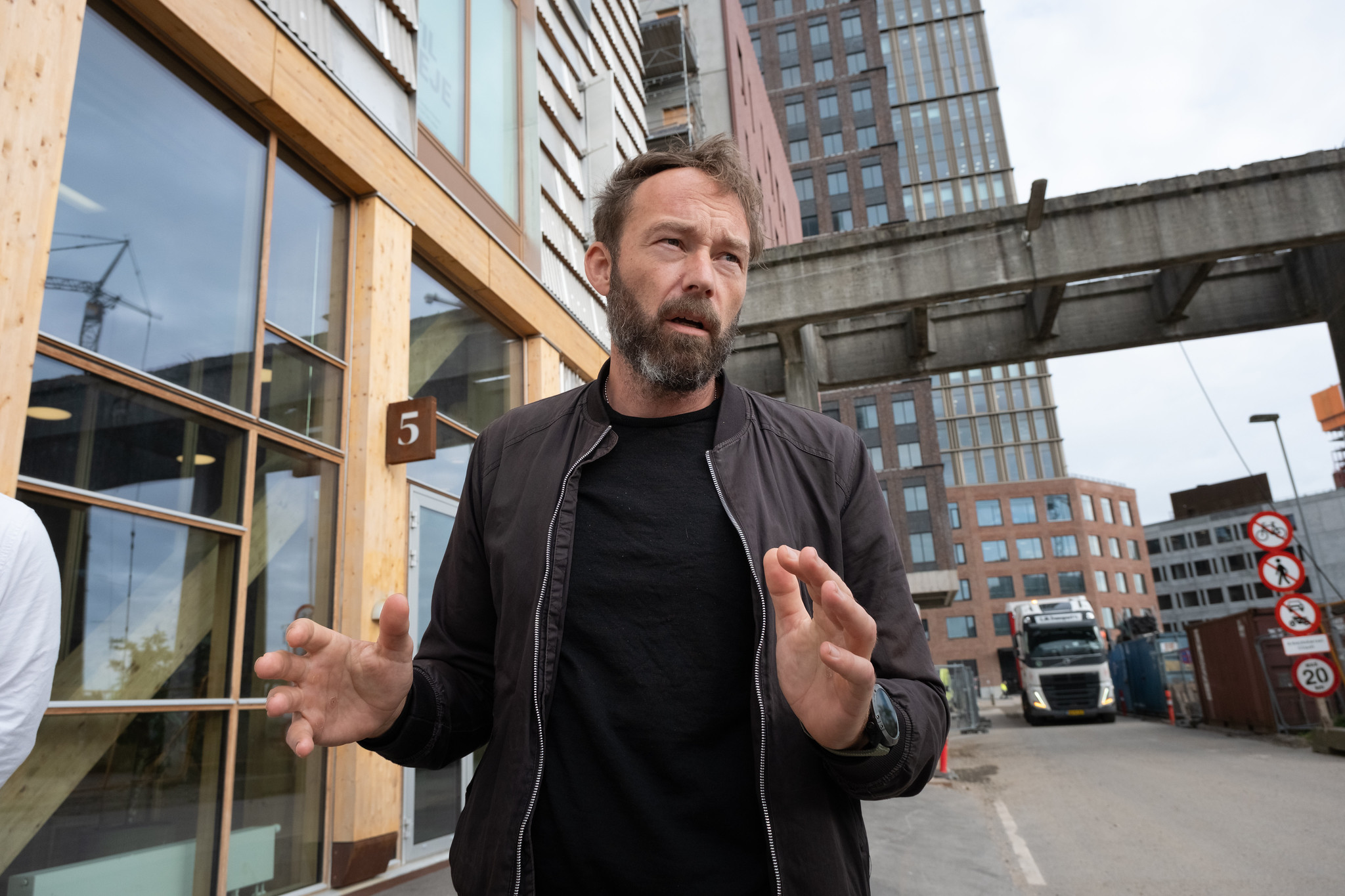
Anders Lendager, an architect with a vision, stands at the forefront of this transformation. His creation, TRÆ, a 20-story skyscraper in Aarhus’s Sydhavnen port district, is not just Denmark’s tallest wooden building but a testament to the power of circular design. Inspired by the urgent realities of the climate crisis, Lendager has pushed the boundaries of material reuse, proving that what was once considered waste can be a valuable resource.
“We wanted to show what is possible,” states Lendager, the driving force behind his eponymous Danish-Icelandic architecture firm. TRÆ and Aarhus, in essence, serve as powerful reminders of our planet’s finite resources. Denmark’s second-largest city has moved beyond mere aspirational climate goals, embracing a Nordic ethos where security, safety, and a high quality of life are inextricably linked to environmental stewardship.
One particularly insightful reader, “Blues Traveler,” highlighted the ingenious use of discarded wind turbine blades for solar shades. This innovation addresses a significant challenge within the wind energy sector – the disposal of retired blades. The fact that a pension fund could not only approve such a project but also command higher rents underscores the growing market viability of circular design principles.
Aarhus: A Model for Sustainable Urban Living and Tourism
Aarhus is not just talking about sustainability; it’s living it. The city has set an ambitious goal of achieving carbon neutrality by 2030. This commitment is supported by a decisive energy transition, which saw the city phase out coal energy a decade ago in favor of geothermal heating.
The city’s approach to waste management is equally revolutionary, transforming refuse into a valuable resource. The municipal incinerator facility plays a crucial role, burning approximately 42 percent of collected waste to generate electricity and warm water, supplying a significant 16 percent of the district heating system’s needs. This comprehensive system ensures that a mere 2 percent of waste ends up in landfills.
Further enhancing its green credentials, the Port of Aarhus launched Denmark’s first shore power facility for cruise ships in 2023. This initiative allows docked vessels to connect to clean electricity generated by Danish wind turbines, significantly reducing their environmental impact while in port.
Randers: Integrating History with Climate Resilience
The Aarhus region’s commitment to sustainability is deeply rooted in its history and forward-thinking adaptation strategies. In the nearby town of Randers, where centuries-old half-timbered houses and cobblestone streets coexist with repurposed factories now serving as vibrant cafés, sustainability has been seamlessly integrated into the urban landscape.
Kristiina Hansen-Götze, a city guide, explains the development of sophisticated rainwater management systems in Randers. These systems are a direct response to projected increases in rainfall intensity and rising sea levels due to climate change. Over the past decade, Randers has implemented new infrastructure designed to work in harmony with, rather than against, these environmental shifts.
Crucially, these solutions are intentionally designed to be aesthetically pleasing, appearing as natural elements of the town rather than overt flood-prevention measures. Hansen-Götze notes that the new drainage system, currently undergoing testing, has effectively protected the town from potentially devastating floods, even during periods of heavy rainfall. For visitors, this means enjoying Randers’ charming shops, restaurants, and cafés without the inconvenience of navigating flooded streets, ensuring the town’s long-term viability. “And the system looks beautiful, like it was always meant to be here,” she adds.
Nordic Wellness and the Premium of Sustainable Hospitality
This dedication to core values such as safety, health, and environmental integrity has become a cornerstone of the local tourism and hospitality sector, allowing it to command a premium on the international stage. Anne Hübner, a spokesperson for Visit Aarhus, emphasizes that the city’s high quality of life, characterized by security, safety, and trust, consistently ranks high in citizen happiness indexes. This unique appeal draws visitors eager to experience it firsthand.
Scandic Hotels, a prominent player in the region’s hospitality industry, exemplifies this commitment. Jesper Buus, a district director for Scandic, explains that the chain, including Scandic Aarhus City, has significantly enhanced its services and amenities to meet the expectations of travelers seeking a Nordic hotel experience. Nearly all Scandic hotels adhere to the Nordic Swan Ecolabel standards, ensuring high levels of energy efficiency, water conservation, and effective waste management.
“Sustainability is such an integrated part of Scandic that we sometimes take what we do for granted,” Buus admits. Features like recycling programs, solar panels, and even on-site beehives are commonplace in their hotel designs.
A common misconception, Buus notes, is that sustainability necessitates a compromise on service or amenities. However, Scandic’s latest project, the under-construction Bassin Seven, a Signature-branded hotel near Aarhus’s port, aims to redefine this perception. This new hotel is designed to cater to the growing demand for wellness experiences, featuring a substantial spa and embodying Scandic’s signature Nordic values. The hotel’s aesthetic – characterized by understated elegance, modern architecture with light wood, and a minimalist sensibility – coupled with authentic local experiences, is proving highly sought after.
Mols Bjerge: Embracing ‘Friluftsliv’ for Authentic Disconnection
The dedication to genuine environmental practice extends into Denmark’s picturesque countryside. In Mols Bjerge National Park, Bjørn Haugum operates a glamping site that embodies the spirit of friluftsliv, a Norwegian and Danish concept that translates to “outdoor living.”
Haugum’s philosophy centers on simple living, encouraging guests to reconnect with the fundamental aspects of life: sleeping, physical activity, foraging for food, and staying warm. To foster a true sense of disconnection and reflection, Haugum intentionally introduces elements of “friction.” Guests are required to park their vehicles about half a mile away and walk to their yurts, carrying only essential supplies. This enforced slowdown encourages mindful packing and preparation for an outdoor adventure.
The accommodations themselves are minimalist yurts equipped with open fireplaces, designed to encourage guests to put aside electronic devices and reconnect with each other and the natural world. “We actually don’t use terms like carbon-neutral when we describe what we do, because there’s been so much greenwashing,” Haugum states. “We’d rather walk the walk. We want to inspire people, not lecture to them about their environmental commitments.”
The operation actively supports local communities by sourcing goods from nearby producers, such as local fruit wines. Haugum and his wife aim to maintain the project’s exclusivity, focusing on guests who share their appreciation for outdoor living. Haugum even envisions adding a Hobbit-inspired house, hoping to attract Tolkien enthusiasts and share his message of friluftsliv. While copyright issues may prevent it from being officially named a “Hobbit house,” it promises to be the ultimate green accommodation.
Anders Lendager: Transforming Trash into Treasure
Anders Lendager, the visionary architect behind the TRÆ skyscraper, is on a mission to revolutionize construction practices in Denmark. He advocates for architects to design within the limits of available resources, viewing discarded materials not as waste, but as valuable assets. Lendager’s TRÆ project demonstrates that this philosophy is not only financially viable and scalable but, most importantly, sustainable.
He recounts that the project’s client, a major pension fund, initially proposed a 1.5 percent rent reduction to offset perceived tenant risks associated with innovation. However, the project’s overwhelming success and positive reception led to the opposite outcome: rents were increased by 25 percent. “It’s priced like a premium product,” Lendager notes, underscoring the market’s embrace of sustainable design. Demand was so robust that “Everything was leased out before we started building.”
The appeal lies in the building’s pervasive sustainability. Lendager sourced aluminum panels for the exterior from various locations, including farms, old mailboxes, and the roof of a demolished building. This innovative sourcing cost approximately $10,000 for the entire building, a fraction of the cost of traditional materials.
The most challenging yet rewarding component was the creation of solar shades from the fiberglass of retired wind turbine blades. By developing a process to transform these composite materials into building elements, Lendager’s company significantly reduced the project’s carbon footprint compared to conventional aluminum or motorized systems. For Lendager, this signifies a shift in architectural philosophy, moving away from structures that assert dominance over nature towards those that foster cooperation and express gratitude to the Earth.
A Long-Term Investment in a Desirable Future
The sustainable narrative emanating from Aarhus is not one of austerity or forced sacrifice. It is a pragmatic acknowledgment that a high quality of life—encompassing architectural integrity, clean water, and access to nature—is a premium product achievable through strategic, long-term investment. The objective extends beyond averting environmental disaster; it is about cultivating a more desirable and valuable reality.
This path is undoubtedly challenging and costly, supported in Denmark by a high-tax system that underpins significant sustainability investments. Aarhus is not a budget destination. However, for those seeking to witness a region actively transforming itself into a truly sustainable destination, it stands as an unparalleled example. While other destinations may view sustainability as an attractive option, for Aarhus, it is the fundamental pathway forward.